Iceland valley
Taken from a Cessna flying over southern Iceland not far from Eyjafjallajökull - volcano that erupted in 2010.
Mind your step
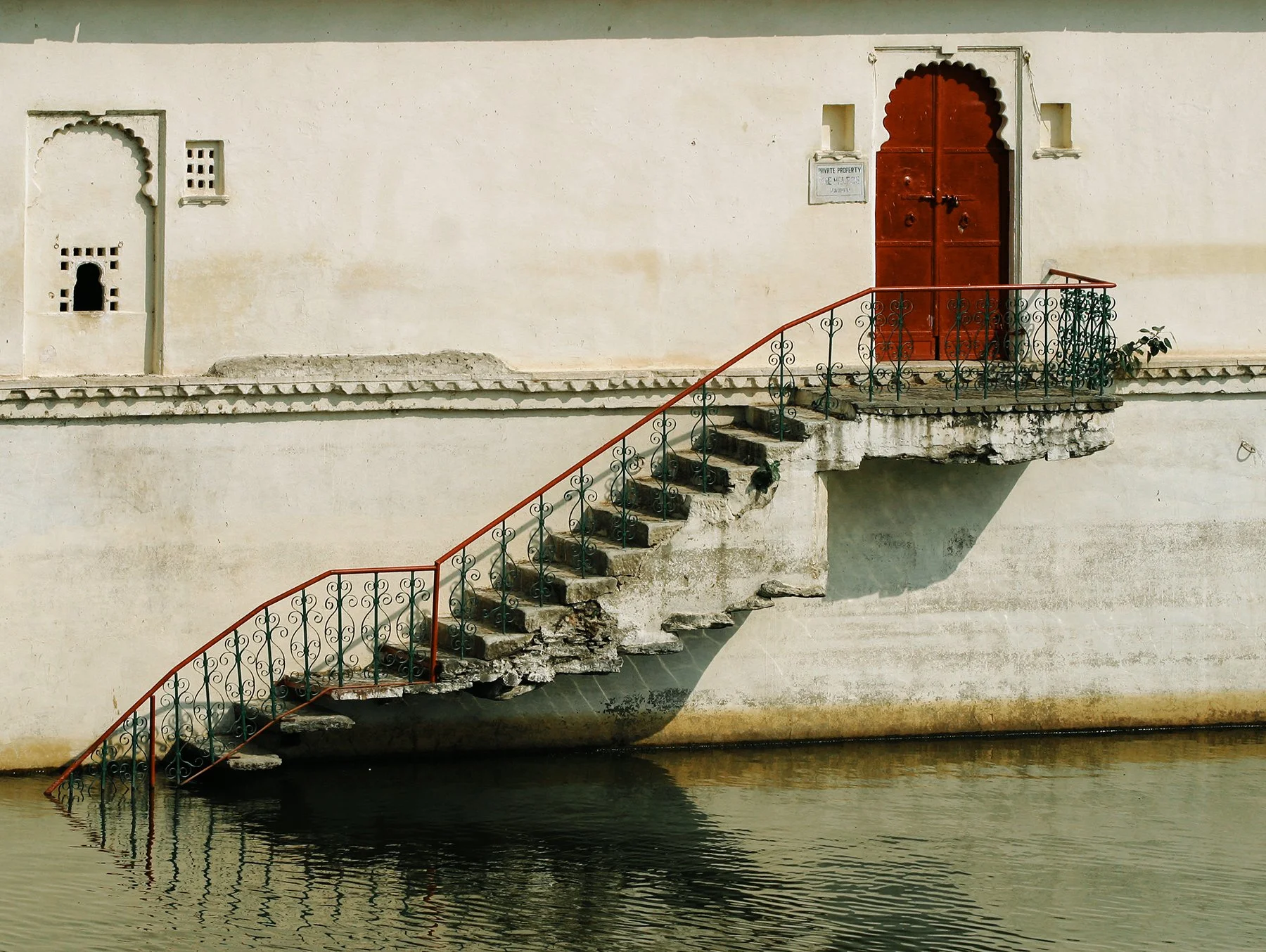
This year (2005) the monsoons filled Lake Pichola. This building otherwise is surrounded by rocks. Probably why the stairs disappear into the water. On the nearside bank is a sitting area - a kind of ghat leading down to the water. Some young people were swimming back and forth with some style - backstroke freestyle, even butterfly. I later found out it was a swimming team using the lake as a training pool. Udaipur, Rajasthan, India.
Rajasthani Farmer

Around 2005, a friend and myself hired a couple of scooters in Udaipur and rode out into the countryside. There were plenty of scenes on and off road, including temples and towns along the way. For most of the trip I used a Canon 5D MKII (maybe even the original 5D as I had both). Lens most used was the original 100-400mm f4.5-5.6. I found it to be an excellent portrait lens. This farmer was not posed but walking towards me. Amazing the equipment they use to get the job done. Pretty much all manual labour out this way apart from the occasional buffalo.
All hands
Man reads his book. Fashion locale in Budapest.
Somewhere in Helsinki
A very short visit to Finland enroute to Sweden gave me a few shots around Helsinki. An interesting architectural landmark but I have no idea now where this is. You may start to see a recurring theme here.
A cat cloud
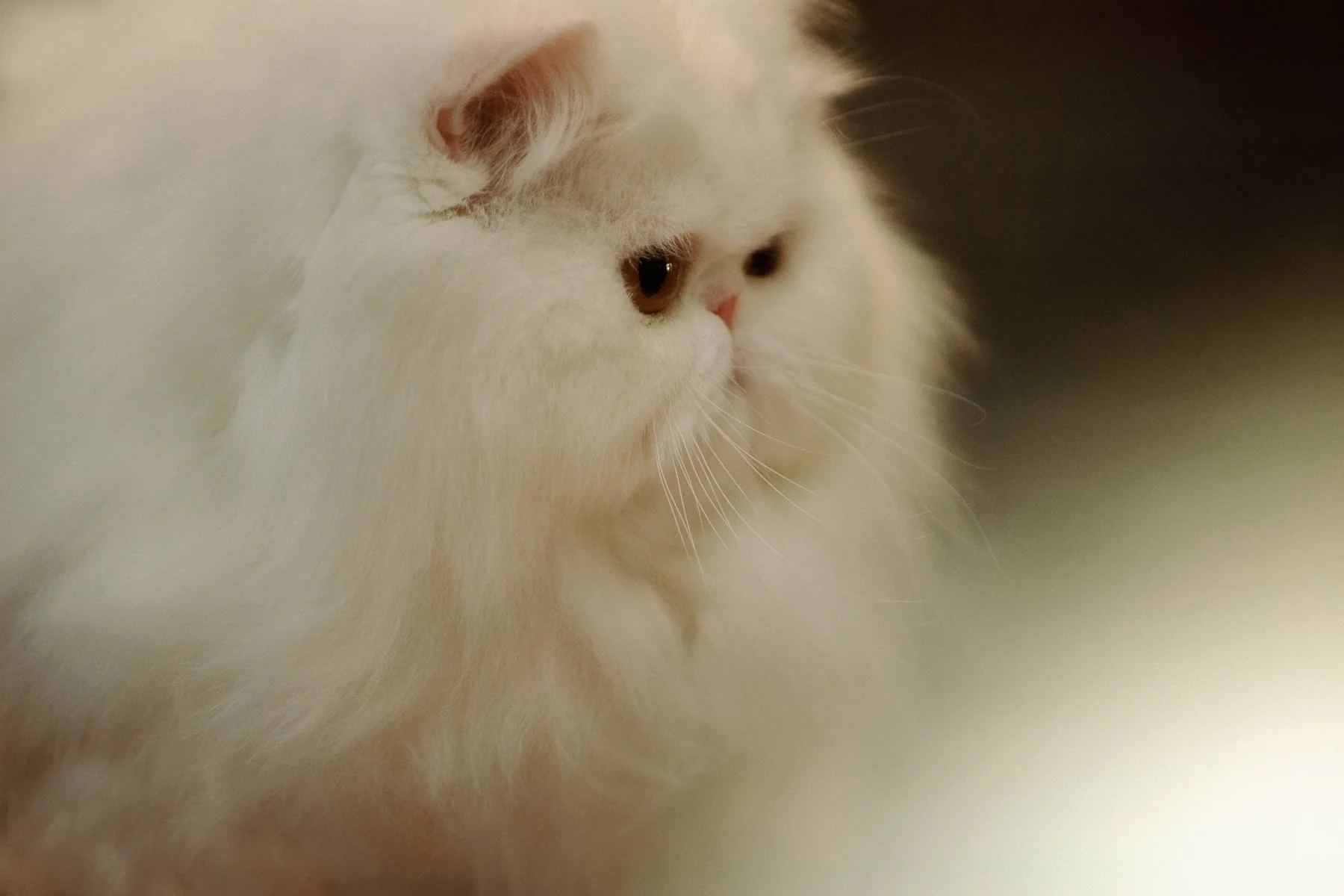
Whether or not it won any prizes that year - Easter Show 2007. I think this is the furriest animal I’ve ever seen.
Playing Hendrix
Came across this grunge band wandering around the streets of Venice, Italy. Can’t remember which Hendrix song it was but they were OK. Don’t know if they were making a living from it. I suspect not.
Swan and boats
Stockholm, Sweden 2005
Little Michelin boy
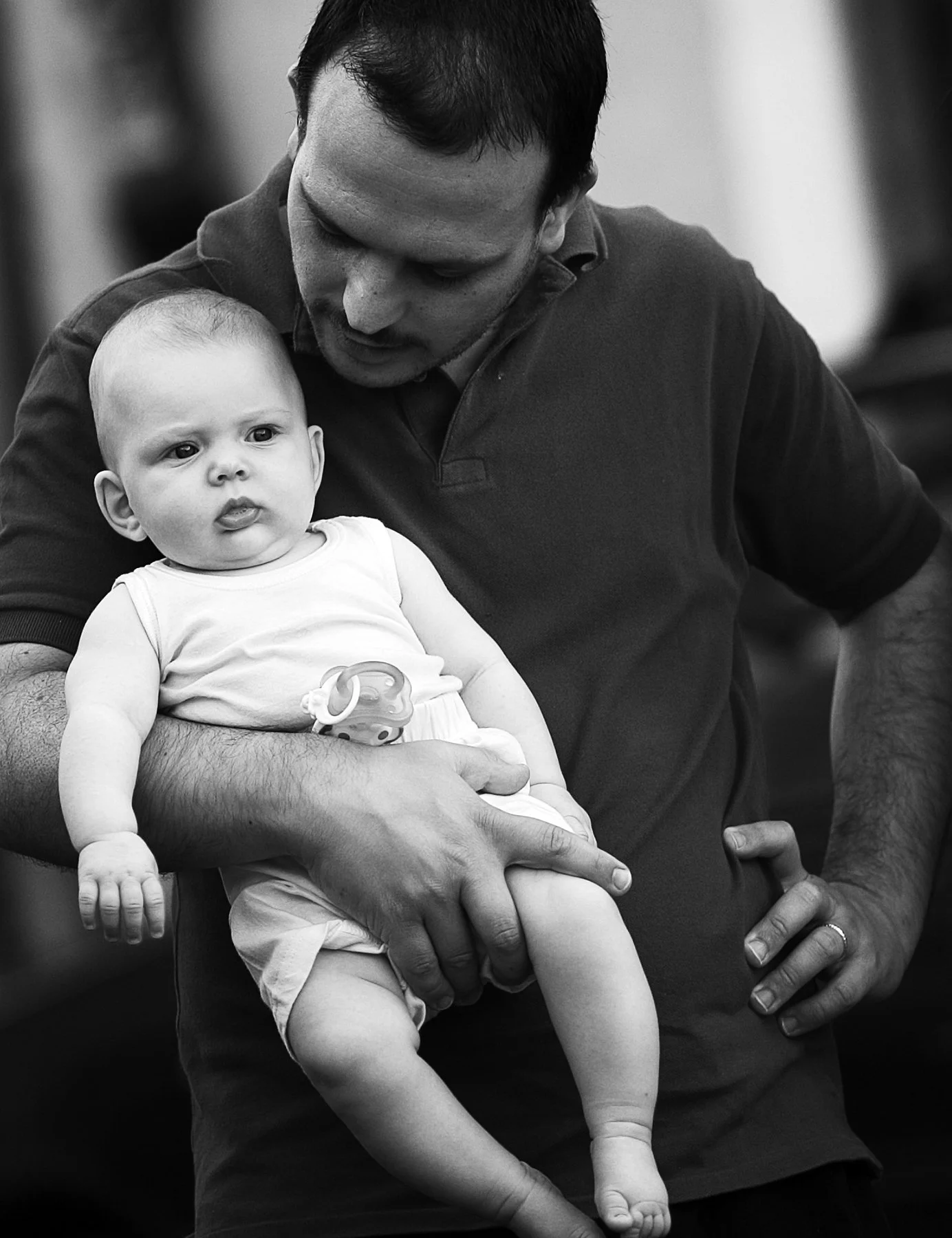
Father and son, Rome
old lady and pigeon
I have said I’m not a fan of 3x2 vertical images but I couldn’t lose the pigeon from this shot. Rome.
My Humble ode
Nuns in Rome
If you’ve ever been interviewed as a photographer (I haven’t), one question they like to ask is - Who are your influences? In other words which photographers, past or present have shaped the way you approach your own work? Well I can say which photographers I like but they haven’t necessarily influenced my work. In many cases they exist in a different genre. If you’re into photography as art, and by that I mean if you aren’t necessarily trying to create perfectly toned or coloured images according to the expectations of most people and just using your camera as an artistic tool, then I’m going to recommend an obscure artist from last century that I find immensely inspiring. After seeing his work you might like to reappraise your own approach to photography and maybe take a few more risks.
Another question it raises is - Can you teach ‘vision’? It’s a great example of someone whose art was informed by his previous life - meaning that of a typesetter. A very black and white background. Looking at his work you can be forgiven for thinking you have been living under a rock or at least in a very small box. Here’s a guy who didn’t care who else was doing what. He had his own vision and followed just that. Definitely food for thought.
The Photographer Who Hated Reality | Mario Giacomelli's Black & White
Copy the link. https://www.youtube.com/watch?v=CeEVhyjW8Ag
apricot girl
Taken walking through a market in Rome. After noticing her she offered a piece of fruit - days of innocence.
restaurant busker boy
Love this kid’s beaten up old accordion. Can’t remember if any sound came out of it. Circa 2007 - Rome.
abstract layers
I had a friend (art curator) critique this image which became very popular as part of a series of photos comprised of multiple photographic images layered upon each other. Very few if any were just multiple exposures. Most had between four and ten layered images combined with varying levels of transparency. The result of the process was the emergence of shapes and forms not existing in any one image.
“The work reads less like a record of places than a carefully constructed visual meditation on perception itself. By layering a desert landscape with a shimmering waterscape, trees, and filtered sunlight, the artist dissolves any clear boundary between terrain and reflection, reality and reverie. Although the image is lit with a cool, lunar ambience, it never feels cold; instead, the moonlit atmosphere softens the scene into a hovering dreamscape where time appears suspended. Most compelling is the barely discernible face emerging from the water — not photographed directly, but assembled through the accumulation of overlaid images — which lends the piece a psychological depth that feels both intimate and elusive. This subtle apparition transforms the composition into a different narrative of presence and absence, leaving the viewer with a lingering sense of mystery about what is being revealed and what remains deliberately hidden.”
Collapsing beach
Taken near the shoreline - Bronte beach, Sydney, soon after a storm.
Cliff Face

Some time last year I invested in some presets as I often noticed that my images were toned slightly more towards the warmer side. For my taste it didn’t suit the image in many cases. The presets I downloaded featured some well known film stocks of yesteryear. I’m not dissatisfied with those but I’ve developed an interest in adjusting colours to suit my own vision. As with many edits in photography, it’s advisable to allow your adjustments to ‘stew’ for a while. Meaning leave them and come back after hours or days and review your work. In this instance I haven’t taken my own advice, at least not with this image. I will review it though down the track. For the moment, the colour grading is to my liking.
Another factor not mentioned yet but which I’ll talk about in a subsequent post is ‘second base ISO’. You can do a search on that to see how it might benefit your own work. Back to this edit for a moment - I do see an opening of the shadows compared to the original Raw conversion. The extra detail is a plus.
Two pools
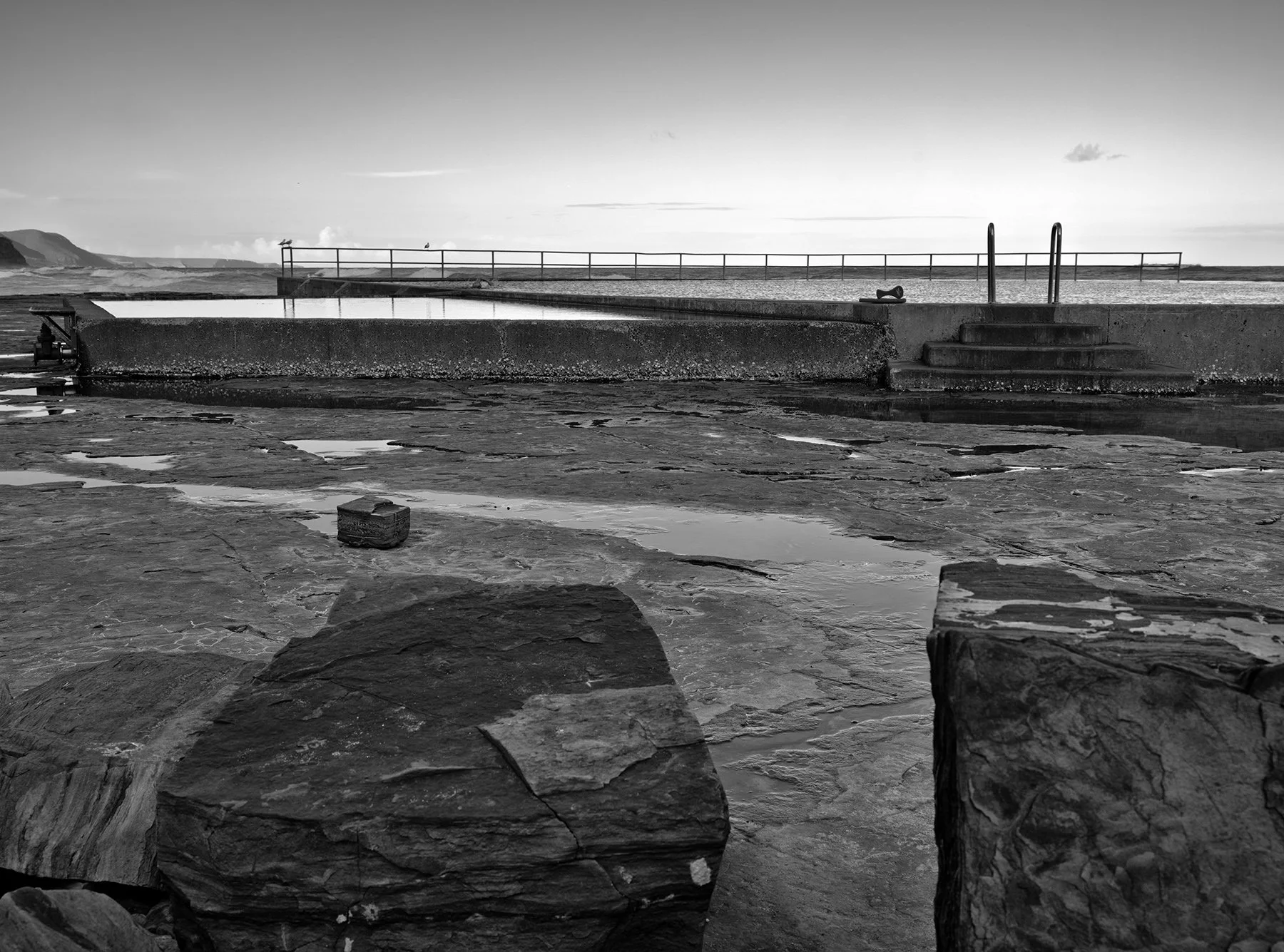
Rock pool - wombarra
Art on the beach
Quick artwork on the beach today.